
MOVING THE GOALPOSTS
Live sport and the new global fandom
How live sport has levelled up
Digital access and streaming may have helped globalise sport, but fandom is no longer playing out solely on screens. Increasingly, fans are taking that passion into the real world – travelling further, following more international events and seeking out bigger, more immersive live experiences.
This shift is reshaping what live sport looks like, and raising important questions for clubs, venues and organisers: what does the modern fan expect now, and how should the live experience evolve to meet them?
To explore that, we spoke to 2,000 UK sports fans about what drives their passion for live events, how their habits are changing, and what the future of live fandom could look like.
As the world’s leading ticketing company, Ticketmaster is seeing this shift first-hand – with growing demand for live sport across borders, formats and experiences. Fans are willing to travel further and invest more in live sport than ever before. But as their commitment grows, so do their expectations.
On Ticketmaster Sport
100+
Sports clients
15
Sports
PLUS
Global tournaments
“Sport is no longer confined by geography - UK fans are embracing leagues, teams and experiences from across the globe like never before. What we’re seeing is a shift in what fans expect from live sport. It’s not just about attending a match - it’s about being part of a bigger, more immersive live experience that blends sport with entertainment. We see this at the NFL games that now tour across Europe and are more popular than ever before."
Chris Gratton,Managing Director, Ticketmaster Sport
Welcome to Ticketmaster Sports’ 2026 State of Play, our first global sports report on the trends shaping the industry.
Once rooted in local loyalties and regional competitions, sport is becoming increasingly global. Major events this year, including the first multi-country FIFA World Cup this summer, alongside the continued international expansion of leagues such as the NFL, are accelerating this shift. Enabled by greater global access, fan loyalty is no longer fixed or inherited; it is increasingly fluid and moment led. Fans are more willing than ever to travel further to follow teams, athletes, and competitions, with major sporting events now acting as powerful drivers of international travel and tourism.
As sport globalises, expectations are evolving. Fans are no longer comparing sport solely against other sporting events, but against concerts, festivals, and other live experiences. At the same time, the audience itself is changing, with the growth of women’s sport introducing a new generation of fans with different expectations, values, and pathways into live sport. As a result, attendance is now shaped not only by what happens on the field but by atmosphere, entertainment, and the end-to-end experience.
This shift is also underpinned by rising digital expectations. Across every touchpoint, from ticket purchase to in-venue interactions, fans expect seamless, integrated experiences. Frictionless ticketing, payments, and in-venue services are no longer differentiators; they are baseline requirements.
In this report, we explore these developments in detail, exploring how fan behaviour is shifting, where new growth opportunities are emerging, and how the industry must adapt to meet the expectations of the next generation of sports fans.
Chris GrattonManaging Director, Ticketmaster Sport

The boundaries of live sport are expanding. What was once defined by geography is now increasingly shaped by access, exposure and global culture. UK fans are no longer limiting themselves to domestic leagues; they are exploring new sports, formats and fandoms, and turning that interest into a growing appetite for live experiences.
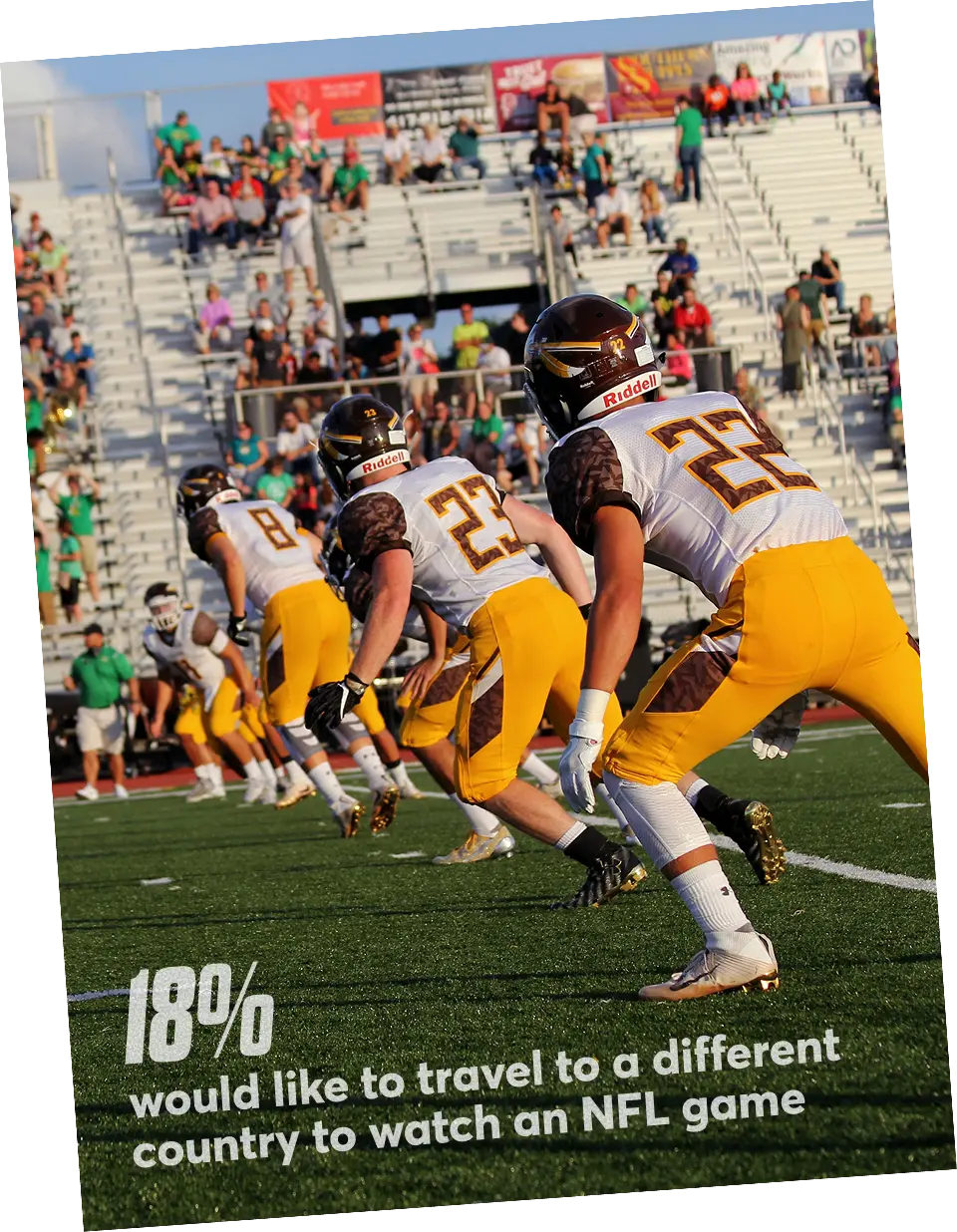
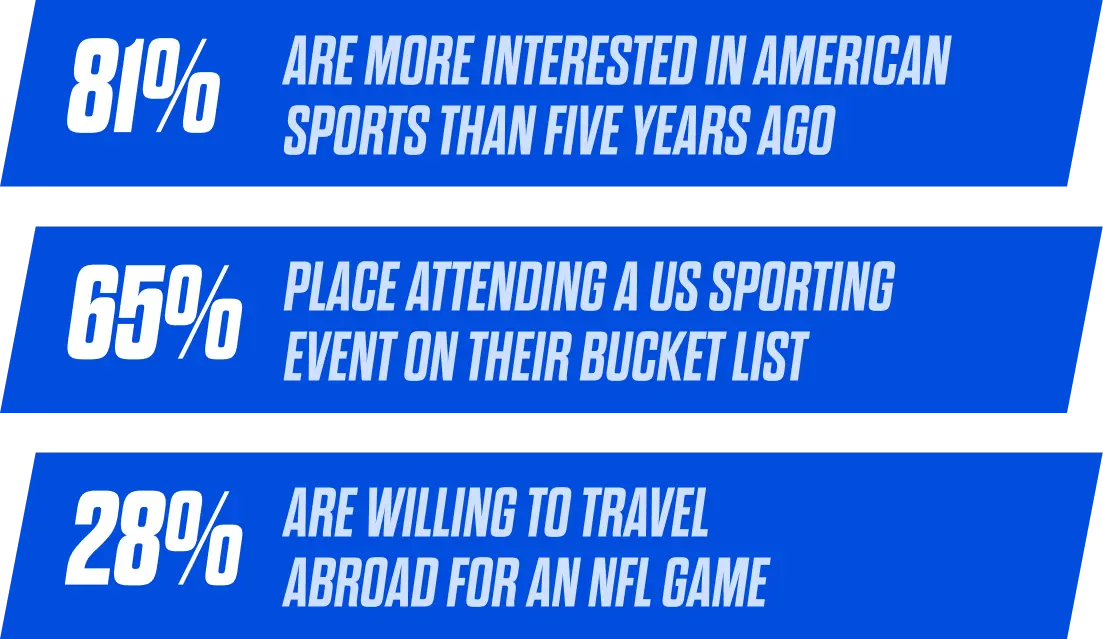
American sports are a clear driver of this trend. Nearly a quarter (24%) of UK fans believe the NFL is one of the fastest-growing sports in the UK, while 59% say they are more interested in American sports than they were five years ago.


US sports interest is on the rise Year by Year

believe the NFL is one of the fastest-growing sports in the UK

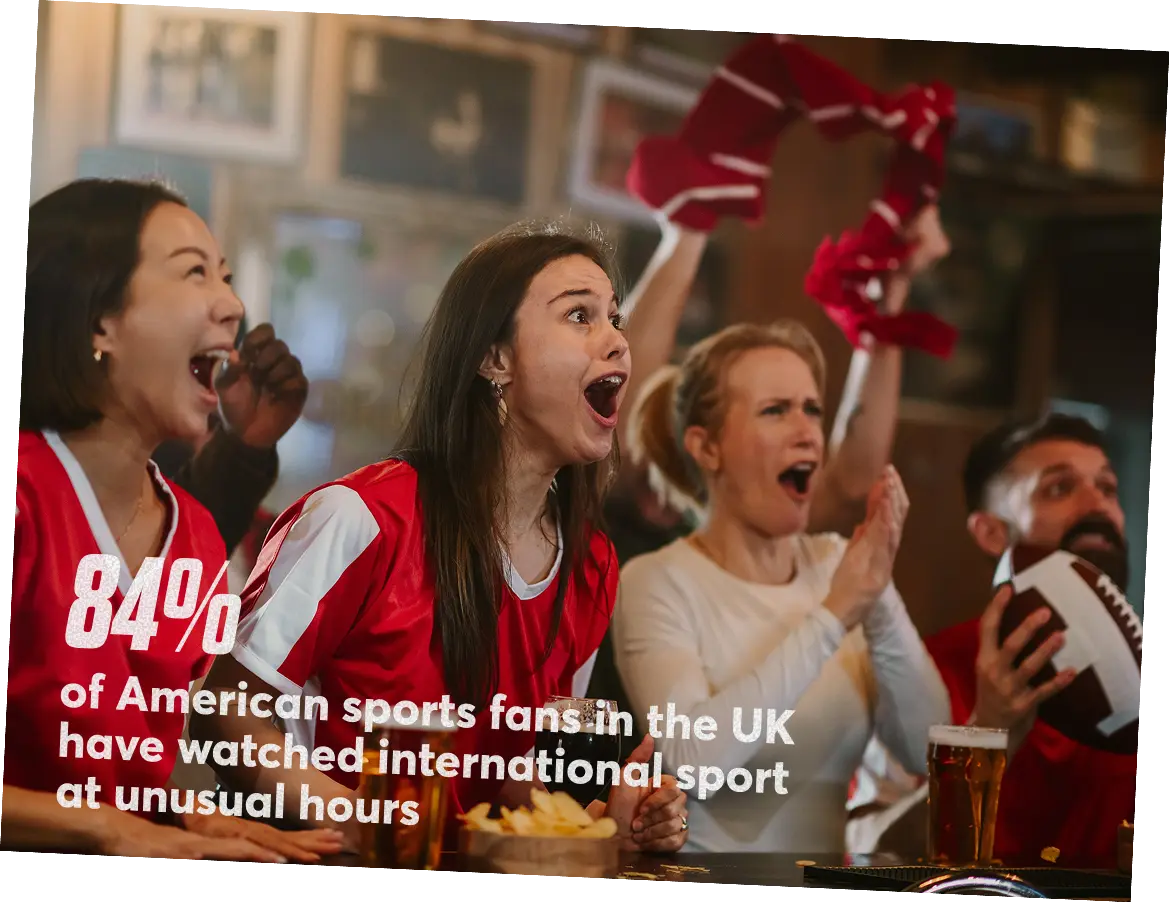
of American sports fans in the UK say they are more interested in American sports than they were five years ago

of American sports fans in the UK put attending a US live sporting event on their bucket list
Biggest drivers for interest in American sports

On average respondents have three friends or family members who also follow US sport, which encourages their own participation. A further fifth (20%) have five or more family or friends who enjoy stateside sport and strikingly 43% own merchandise from an American sports team.
“TICKETMASTER’S STATE OF PLAY REFLECTS WHAT THE NFL HAS BEEN BUILDING TOWARD FOR YEARS, A TRULY GLOBAL GAME. THIS REPORT IS FURTHER PROOF THAT FANS AROUND THE WORLD ARE EMBRACING LIVE SPORT AS A SHARED CULTURAL EXPERIENCE. FROM LONDON TO MUNICH AND BEYOND, WE’RE SEEING NOT ONLY BIGGER AUDIENCES, BUT DEEPER FAN ENGAGEMENT, SIGNALLING A NEW ERA OF SUSTAINED GLOBAL GROWTH FOR THE NFL AND LIVE SPORTS AS A WHOLE.”
BRETT GOSPER,
HEAD OF EUROPE & ASIA-PACIFIC, NFL

Say hello to destination-driven fandom.
UK fans are no longer limiting their passion to local stadiums or domestic leagues – they are willing to go where the biggest moments are, travelling further, planning trips around fixtures, and turning live sport into a reason to explore.
That commitment is significant. On average, fans are willing to travel 146 miles for a domestic fixture, with 15% willing to go more than 250 miles. For international sport, they are prepared to travel 5 hours and 37 minutes on average, and one in five would go beyond seven hours.
This is not just about following teams. It is about chasing bucket-list experiences. For clubs, venues and organisers, that shift matters.


When it comes to travelling for a fixture from the UK it’s a close call for first place



Fans of American sports fans in the UK say...

they are more interested than they were five years ago

seeing a US sports event live is a bucket list goal

they would like to travel abroad to watch an NFL game
Together, that points to a future in which live sport is increasingly something they actively travel for.


Live sport is no longer just a match day proposition – fans increasingly expect it to deliver the energy, atmosphere and cultural pull of a wider entertainment event. Ticketmaster transactional data underlines that shift, showing that 54% of sports fans also attend live music events – a stronger crossover between sport and any other live category.
“BRINGING MORE LIVE MUSIC AND BIG ACTS INTO OUR MATCH DAY EXPERIENCE - PARTICULARLY AROUND OUR MARQUEE FIXTURES - HAS HELPED CREATE A MORE MEMORABLE, HIGH-ENERGY DAY FOR FANS. IT’S ABOUT MORE THAN JUST THE RUGBY NOW; REPEAT VISITS ARE DRIVEN BY THE ATMOSPHERE FROM ARRIVAL TO EXIT, AND MAKING THE WHOLE DAY FEEL LIKE A TRUE EVENT.”
EMILIA HIGGINS,
HEAD OF MARKETING, SARACENS
Rise of the event experience
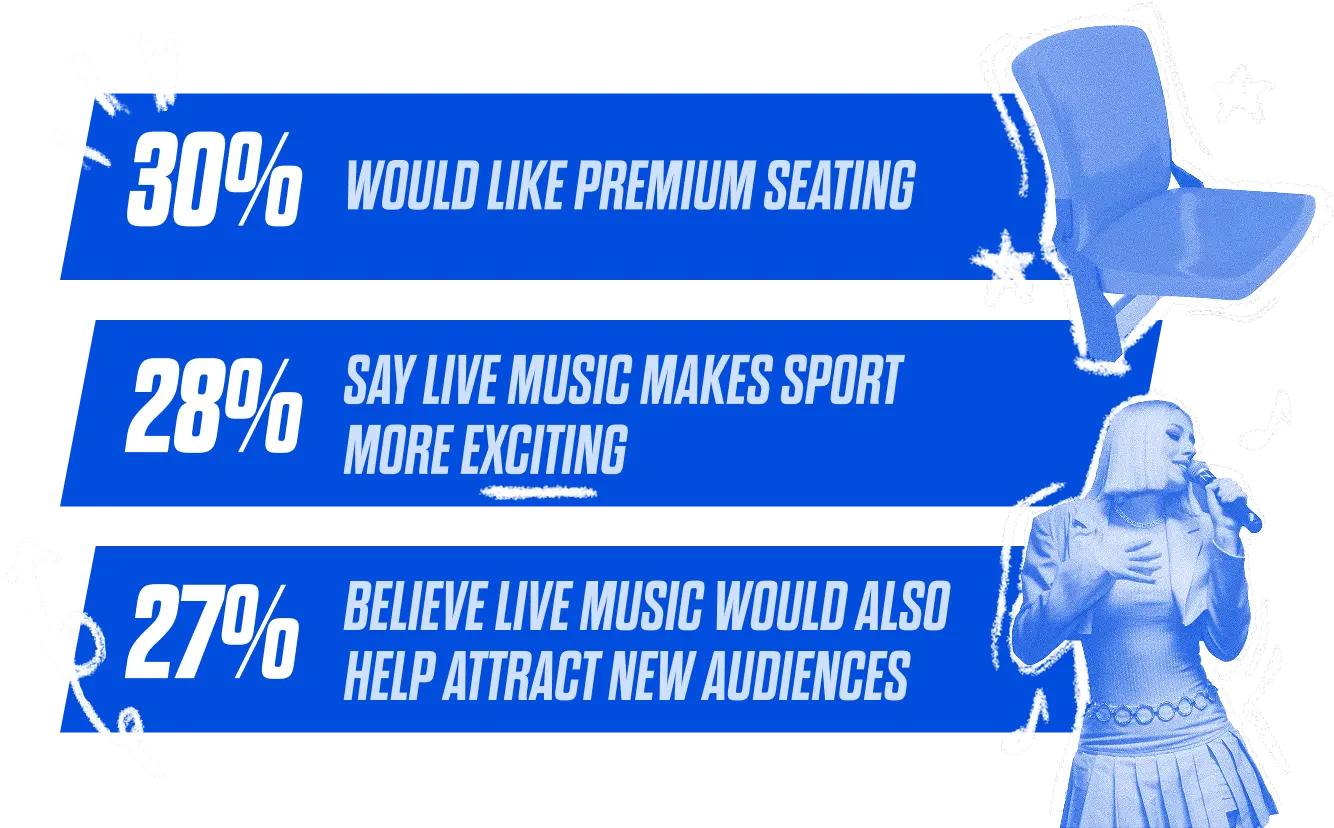
This overlap is starting to shape expectations in the stadium too – and among Gen Z fans the appetite for entertainment is even stronger. 45% say live music makes sport more exciting, and 33% want more live music and entertainment at fixtures.
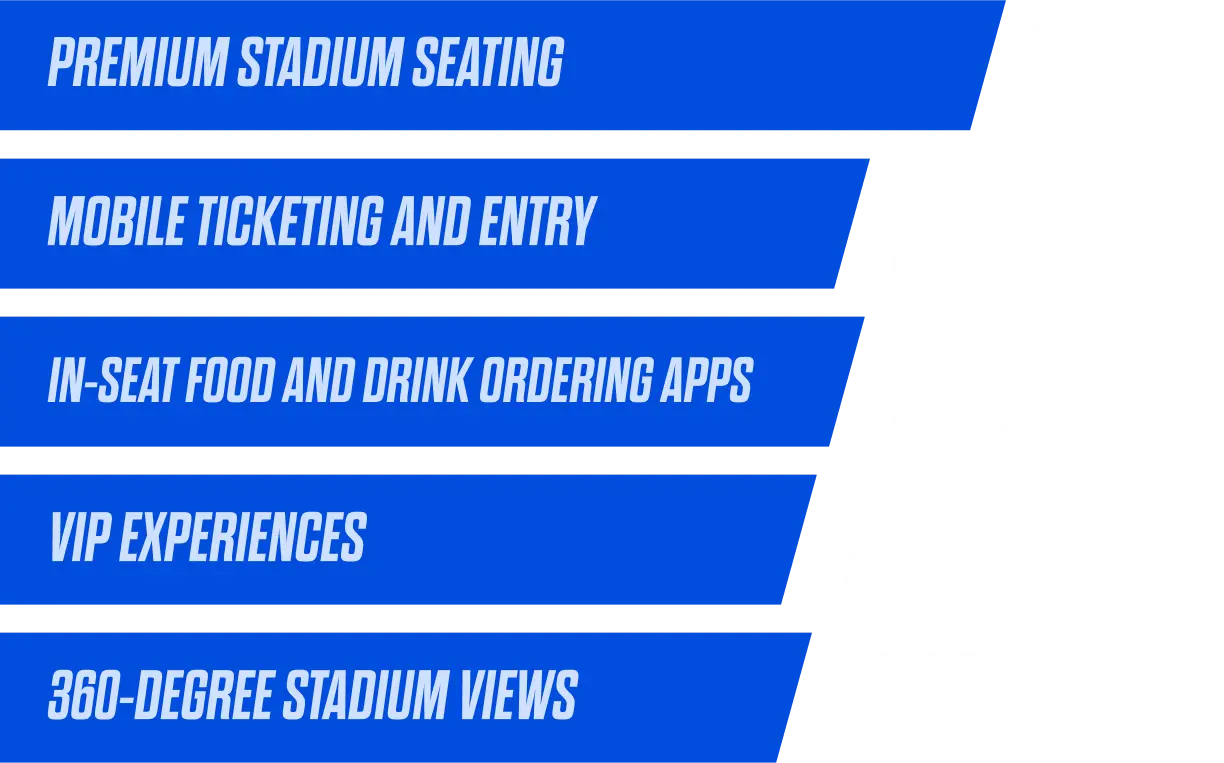
But the future live experience is not just about bigger moments – it is also about smoother ones. 22% of fans want in-seat food and drink ordering, while 21% want mobile ticketing and entry, pointing to a growing expectation that live sport should feel as seamless as it is memorable.
The implication is clear: fans are not only comparing sport with other sports anymore – they are comparing it with the best of live entertainment.

“ACROSS A DIVERSE MIX OF SPORT AND LIVE ENTERTAINMENT EVENTS, FAN EXPECTATIONS ARE BEING SHAPED BY THE VERY BEST IN THE INDUSTRY. ENTERTAINMENT AND EXPERIENCE ARE NOW CENTRAL TO THE SPORTS STADIUM BUSINESS, WITH DELIVERING A WORLD-CLASS EXPERIENCE FROM POINT OF PURCHASE TO EVENT DELIVERY, POWERED BY THE RIGHT TECHNOLOGY, BEING ESSENTIAL TO DRIVING ATTENDANCE, ENGAGEMENT AND LONG-TERM GROWTH.”
DAN COOK, HEAD OF TICKETING,
WELSH RUGBY UNION

Women’s sport has firmly established itself in the mainstream of UK fandom, with 58% of fans saying it is great to see its rise in recent years. Its impact is broader than visibility alone: 59% say that growth is encouraging younger girls to take up sports they might not have considered a decade ago, while 46% see female athletes as some of the best role models for girls.
Much of that momentum is being driven by younger audiences. Gen Z are particularly supportive of women’s sport, with 61% welcoming its rise, 49% saying it deserves more funding, and 20% saying they prefer watching women’s sport over men’s, compared with 7% overall. Together, these shifts point to a growing opportunity for rights holders and organisers to create live experiences that appeal to broader, younger and more diverse audiences.
Younger audiences drive greateradvocacy and intent around female sport

say it’s great to see the rise of women’s sport

believe women’s sport deserves more funding

prefer watching women’s sport over men’s

It comes as no surprise that football dominates the UK live sport market
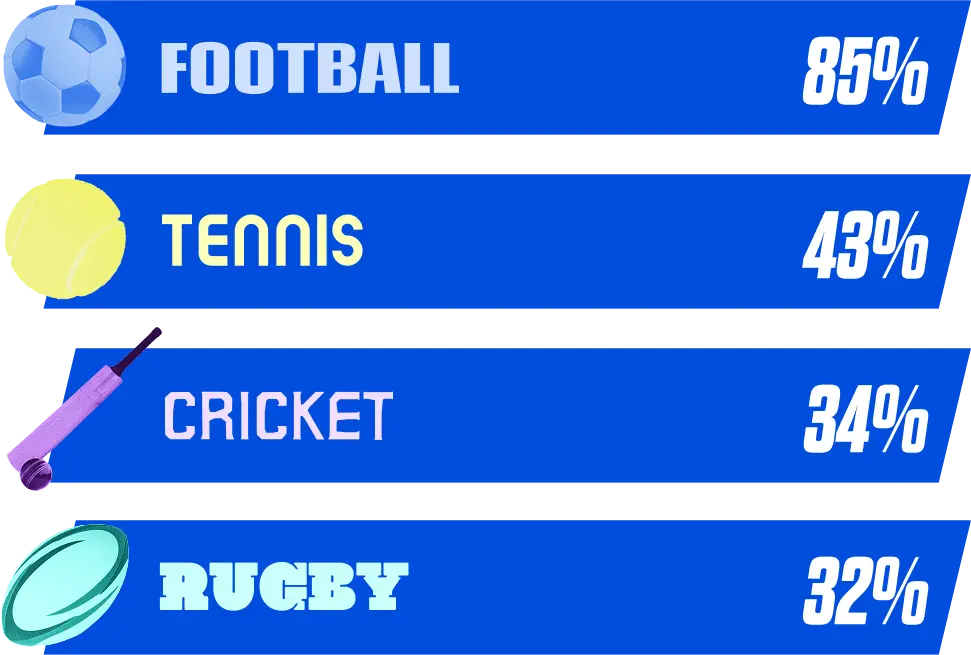
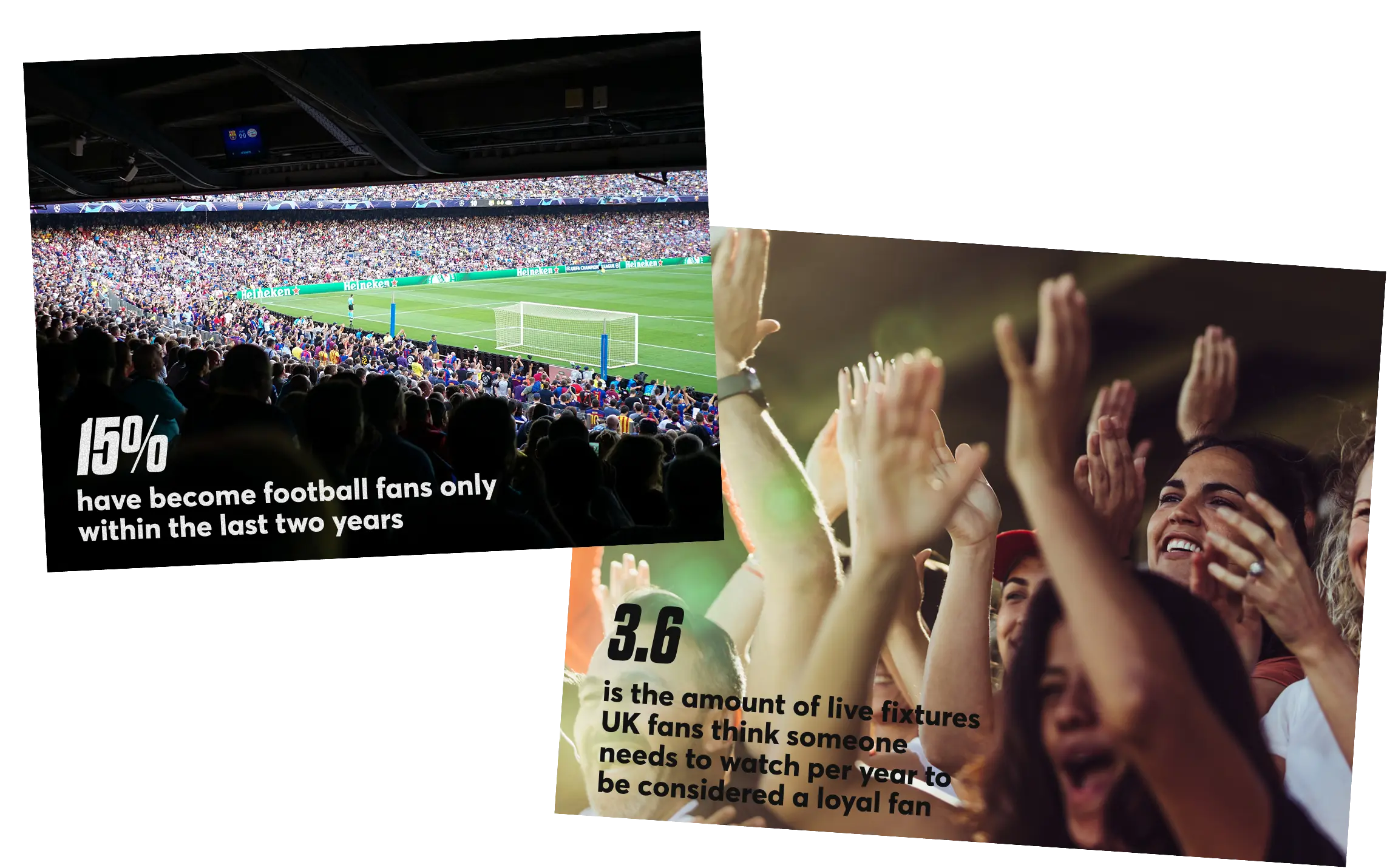
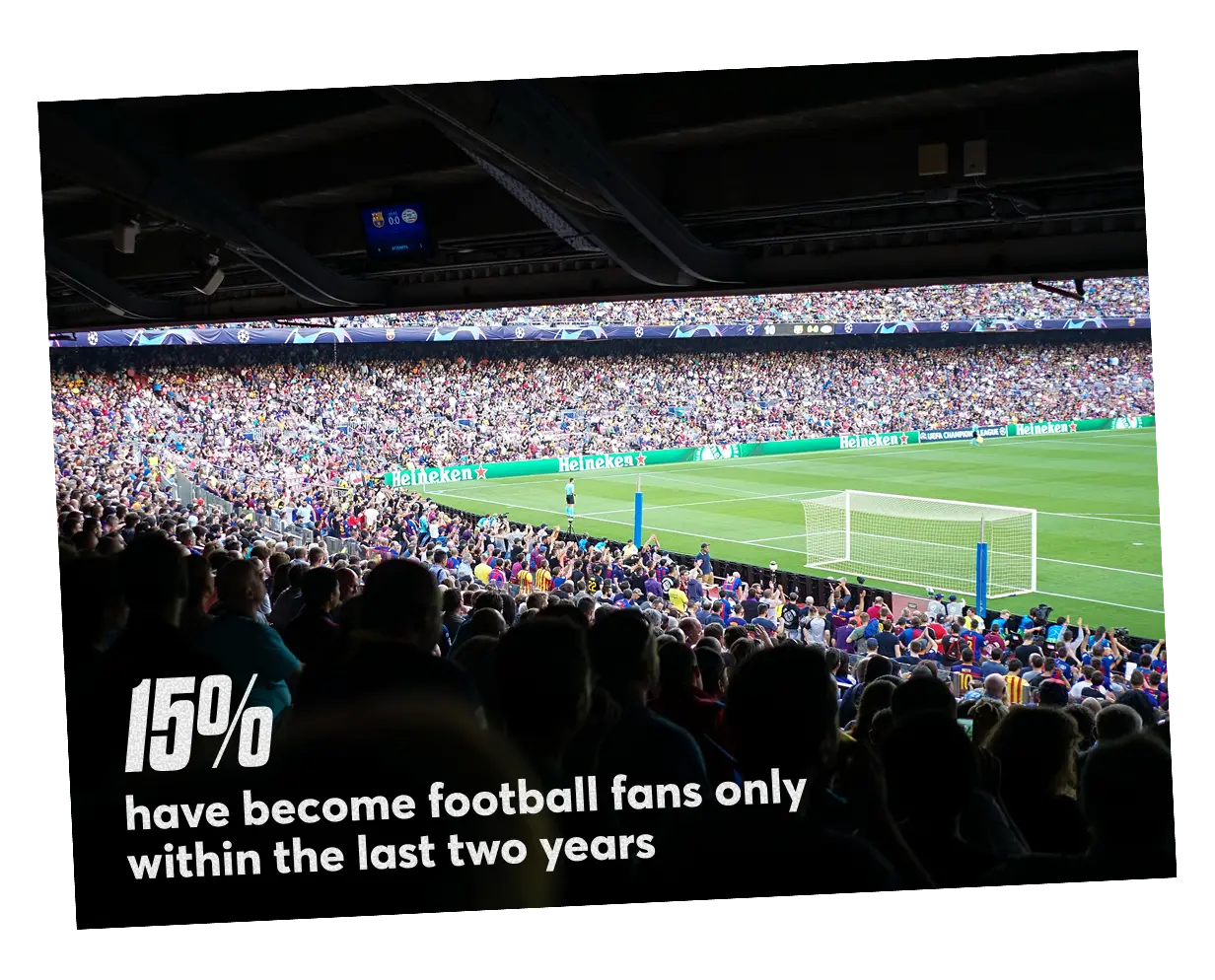
Football remains the defining force in UK sport fandom, but the audience around it is not standing still. While long-standing supporters still underpin live attendance, new audiences are continuing to come through, with 15% saying they have become football fans within the last two years. That points to a sport that is still expanding its reach and continuing to attract fresh interest.
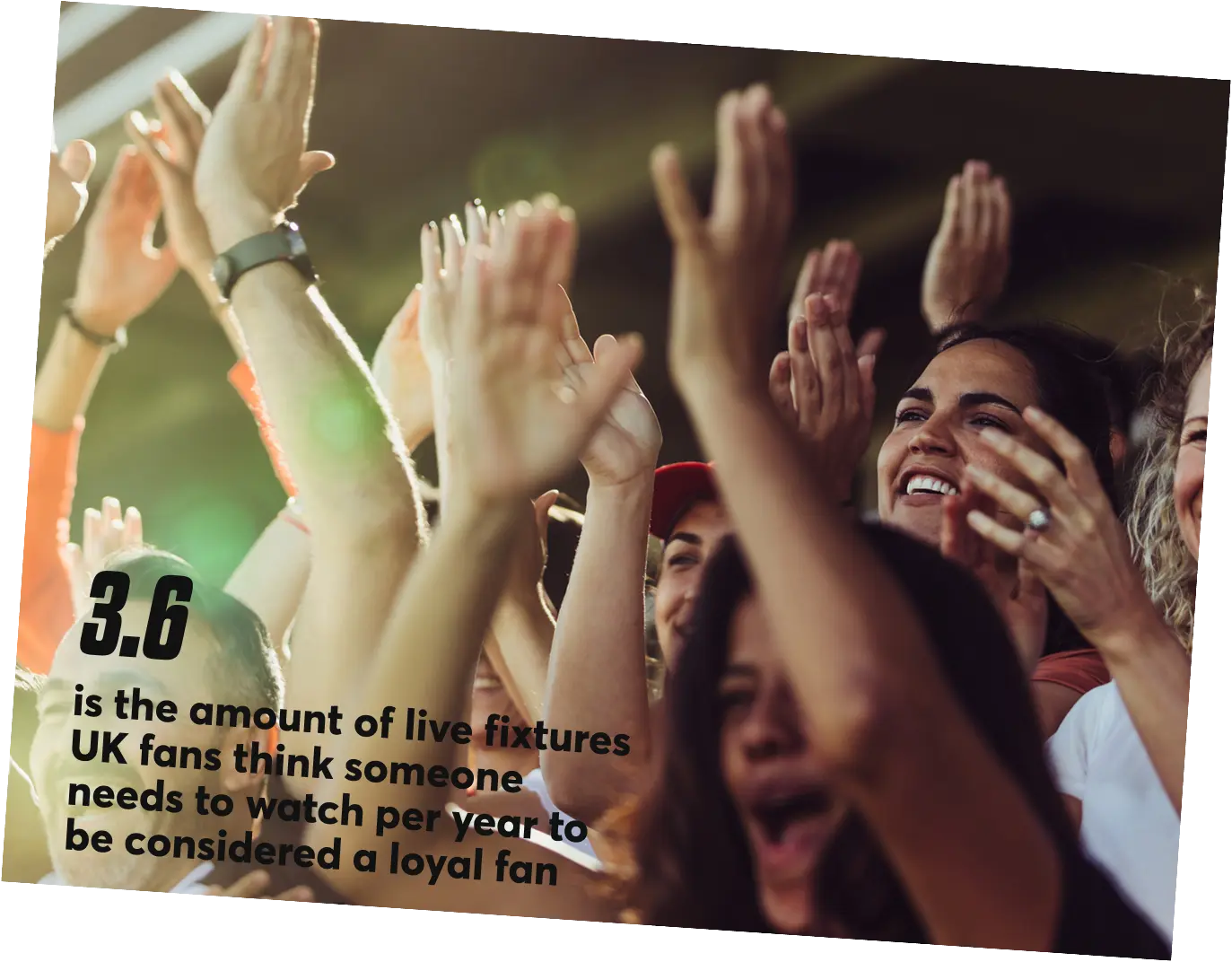
Live attendance remains an important marker of commitment, even if fans recognise that going to every game is unrealistic. On average, respondents say you need to attend 3.6 live fixtures a year to be considered a fan, rising to 10 or more for 16% of supporters. In practice, UK fans have attended an average of 6.18 domestic fixtures and 2.46 international fixtures, underlining the continued importance of live events in how fans express loyalty.

Live sport’s appeal is wideningacross generations.
Ticketmaster data shows that younger fans are maintaining steady engagement, while older audiences are becoming increasingly valuable to the live sports market. Spend among 18-29s has remained resilient over the past five years, while 2026 levels among 60-69s (£49.92) and 70-79s (£50.92) point to growing confidence among older fans.
Consumer research reinforces that broader appetite, with fans saying £211 is the maximum they would be willing to spend on attending a sports fixture, including surrounding costs. Taken together, the picture is not of a single “future fan”, but of a live multi-generational sports audience – and increasingly willing to invest in the right experience.

Ticket spend per ticket by Age group in 2026

*Ticketmaster transactional data

Beyond the game


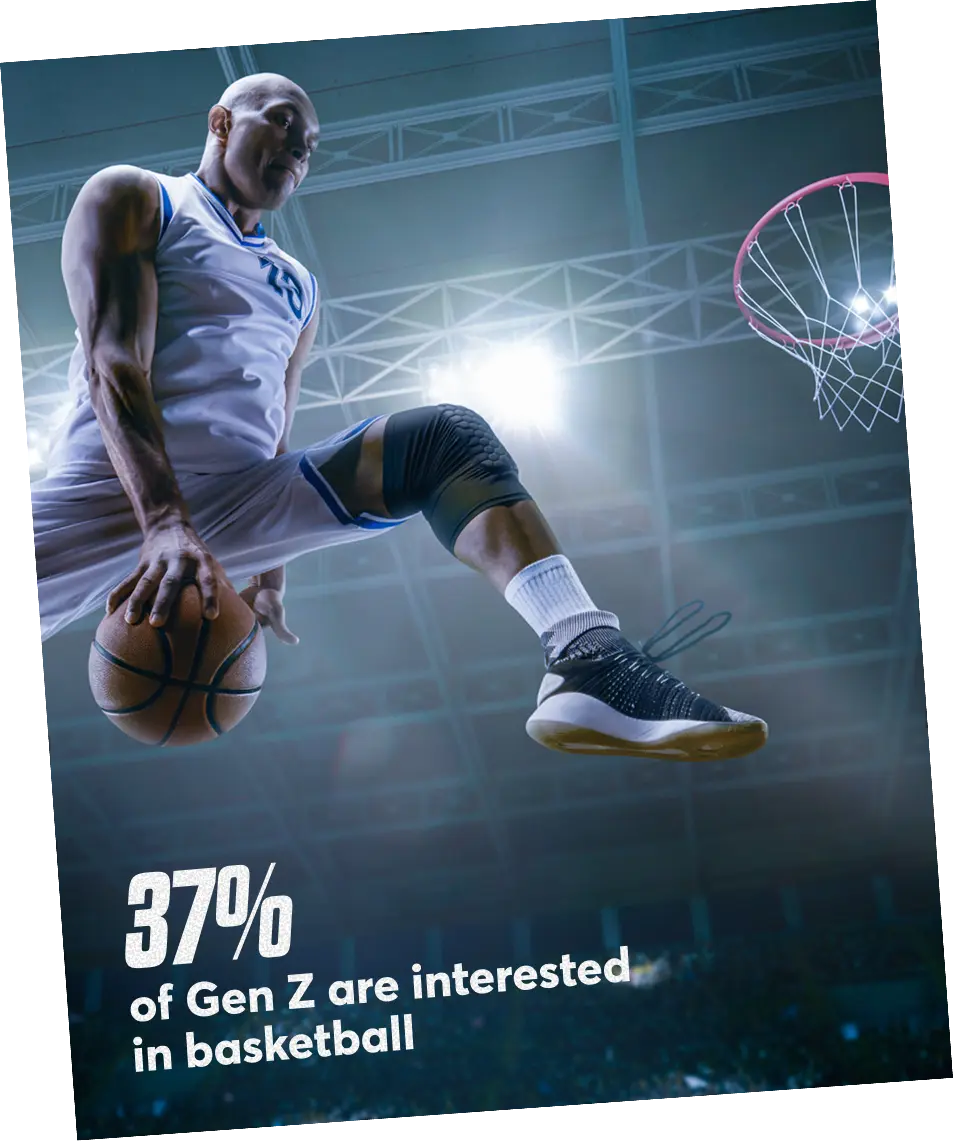
Gen Z offers one of the clearest signals of where live sport is heading next. Younger fans are more likely to expect sport to deliver beyond the game itself, pushing the live experience in a more entertainment-led and digitally connected direction.
That is clear in their appetite for added atmosphere: 45% of Gen Z say live music makes fixtures more exciting, compared with 28% overall, and 33% want more live music and entertainment at events, versus 22% overall. They are also more likely to value seamless, tech-enabled experiences, from faster mobile connectivity (32% vs 19%) and instant replay on personal devices (27% vs 18%) to mobile ticketing (25% vs 21%) and contactless payments (22% vs 18%).
The implication is clear: younger fans are not just shaping what sport feels like, but how it functions.
driving the overseas aspect of fandom
*of those who follow American sports


Live sport is becoming more global in the way fans discover it, follow it and experience it. To explore that shift, we asked fans across international markets about their attitudes to sport, live events and the future of fandom.
Across markets many fans are happy to invest in the immersive live experience, valuing premium seating and VIP access, whereas others place a stronger emphasis on financial and digital accessibility.
For the industry, that presents both a challenge and an opportunity: To respond to rising global expectations for live sport, while building flexible strategies that reflect the different behaviours, budgets and priorities of fans in each market.


Football remains one of the world’s most dominant sports, but local sporting identities remain just as powerful.
Sport fans who follow football



Football remains one of the clearest examples of sport’s global reach, with 84% of fans in Spain following it, alongside 81% in Mexico and 78% in the Middle East. Across these markets, it continues to act as a powerful cultural connector with broad mainstream appeal.
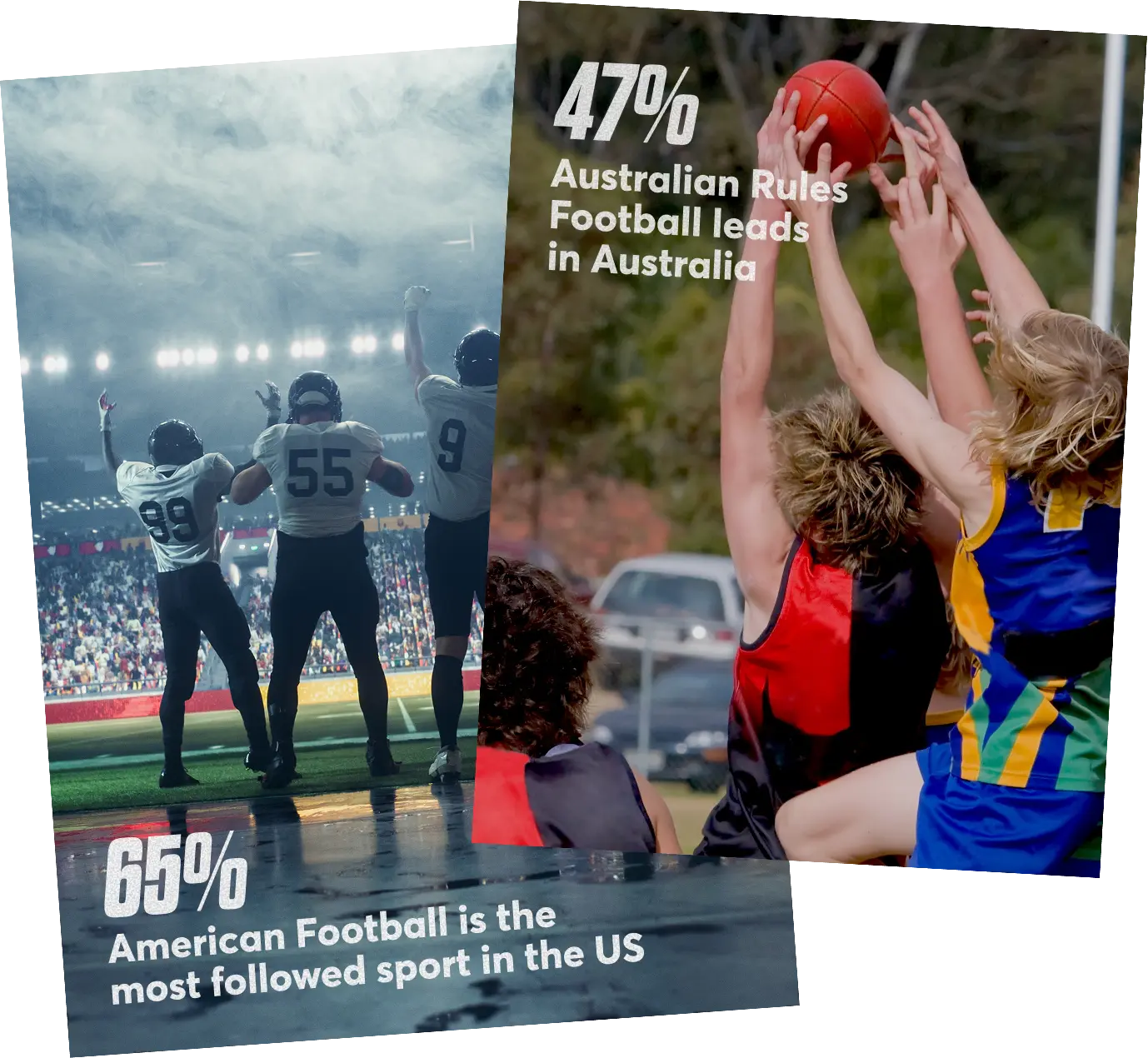
But live sport is not shaped by global trends alone. In other markets, local sporting identities remain just as powerful. In the US, fandom is more fragmented, with American football and basketball each followed by 65% of fans. In Australia, Australian Rules Football leads with 47%, ahead of football. In Ireland, football is followed by Gaelic Games including Gaelic Football and Hurling with 49%.
Fans may be exposed to more international sport than ever before, but what they follow most closely is still heavily influenced by the culture of their home market.
while fandom is becoming more global, live behaviour is still deeply local.
Global Insights 02
Investing in the live experience

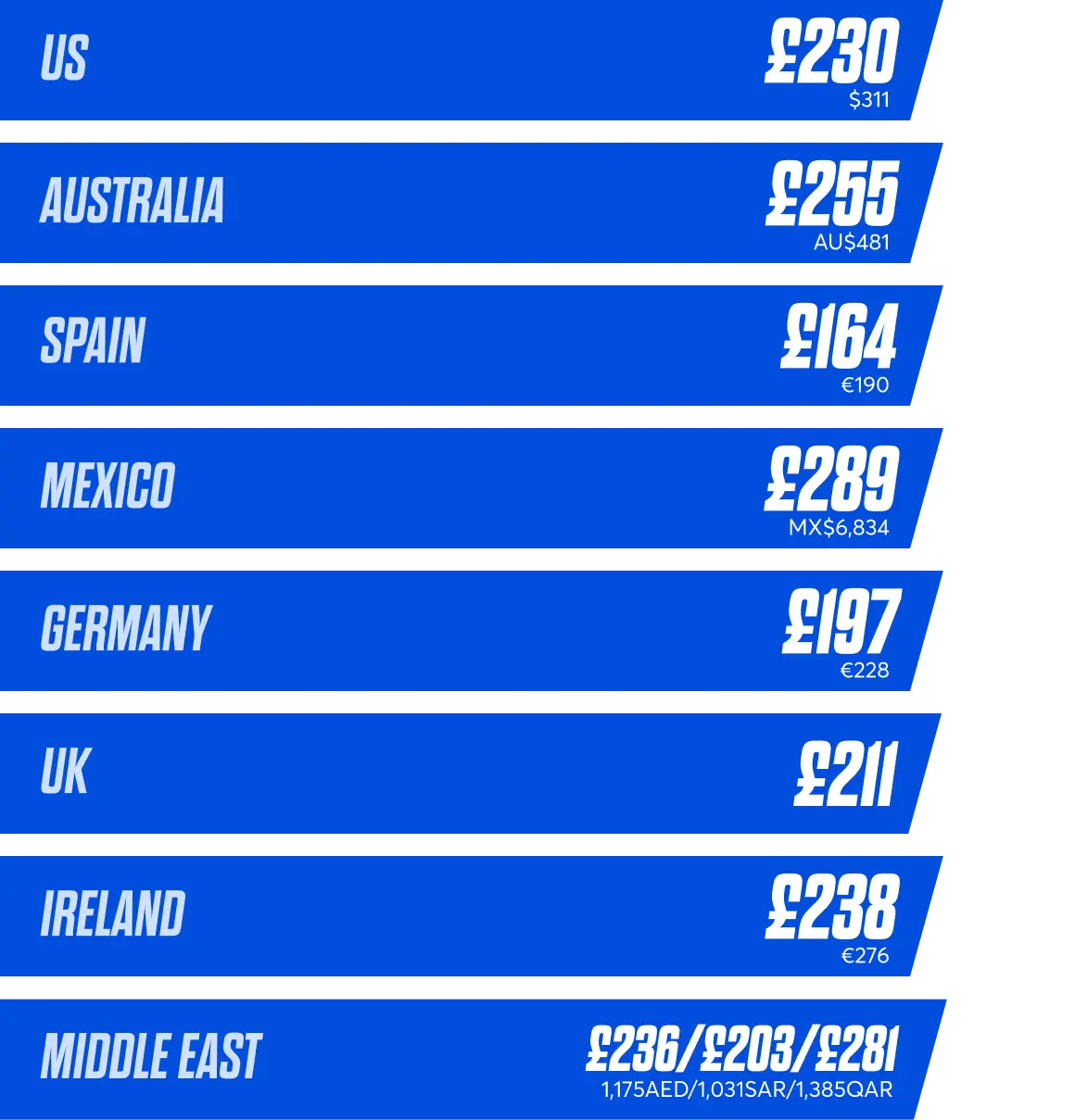
Most fans would spendto watch a fixture live
value is about more than cost
Fans across markets are willing to invest in live sport, but what they value most is not always the same.
Average spend per event is broadly similar across several markets, from $311 in the US, AU$481 in Australia and €190 in Spain, to 6,000 pesos in Mexico. But the bigger takeaway is not the number itself – it is what that spend represents in each market, and what fans expect in return.
In some markets, that means added benefits and enhanced experiences. In others, it is about making live sport feel accessible and worthwhile. For organisers, the opportunity is to recognise that value is not one-size-fits-all.
different audiences will respond to different types of live experience
Global Insights 03
A game of two halves: Upgrade vs accessible
As live sport evolves, fans are not all looking for the same thing.
Broadly, the audience is splitting in two: some want a more elevated, premium experience, while others are focused on keeping live sport accessible.
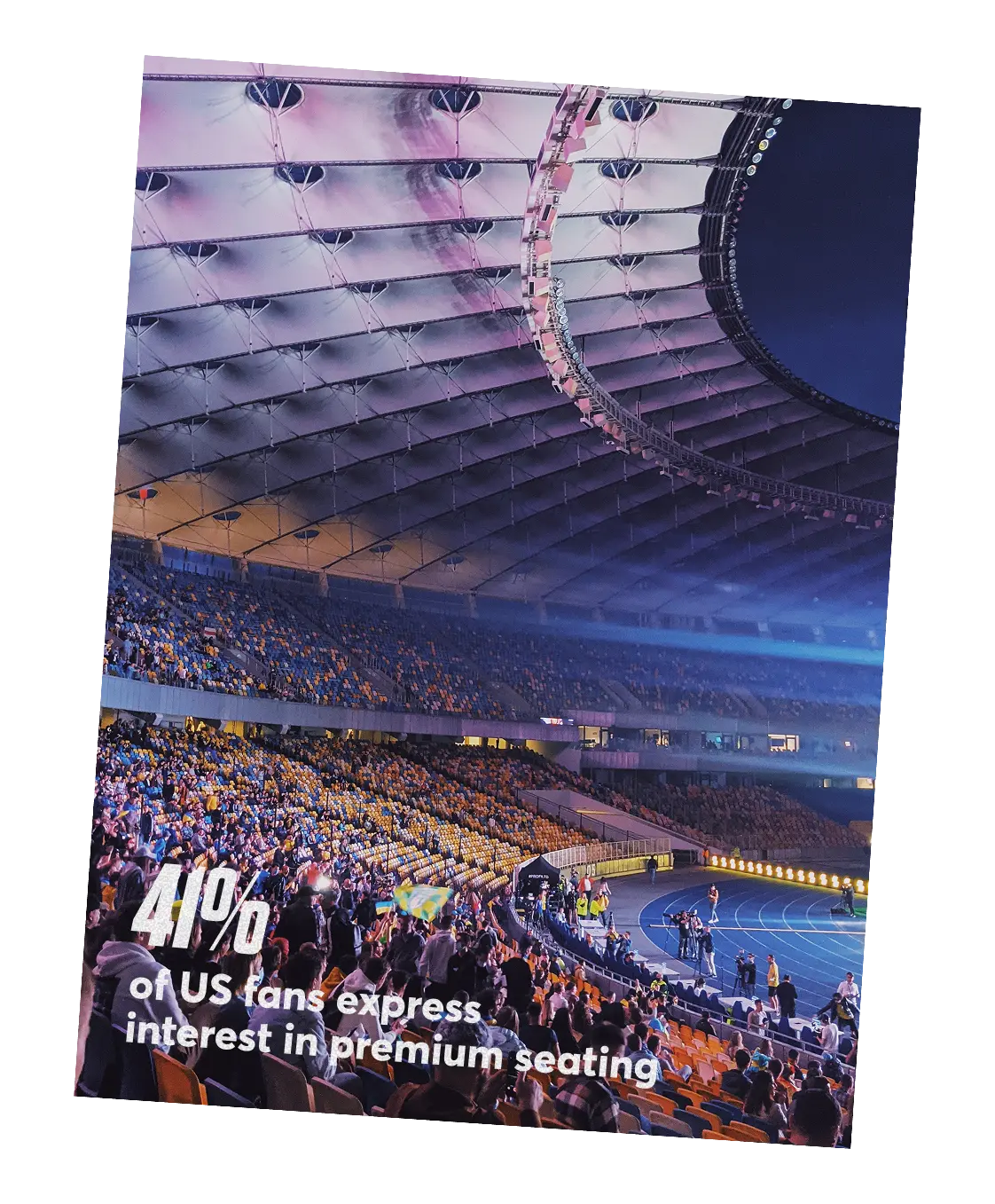
In some markets, there is clear demand for enhanced experiences. In the US, 41% of fans are interested in premium seating, while appetite for VIP experiences is also strong in Spain (34%) and Mexico (38%). These fans are looking for added comfort, exclusivity and a more distinctive event experience.
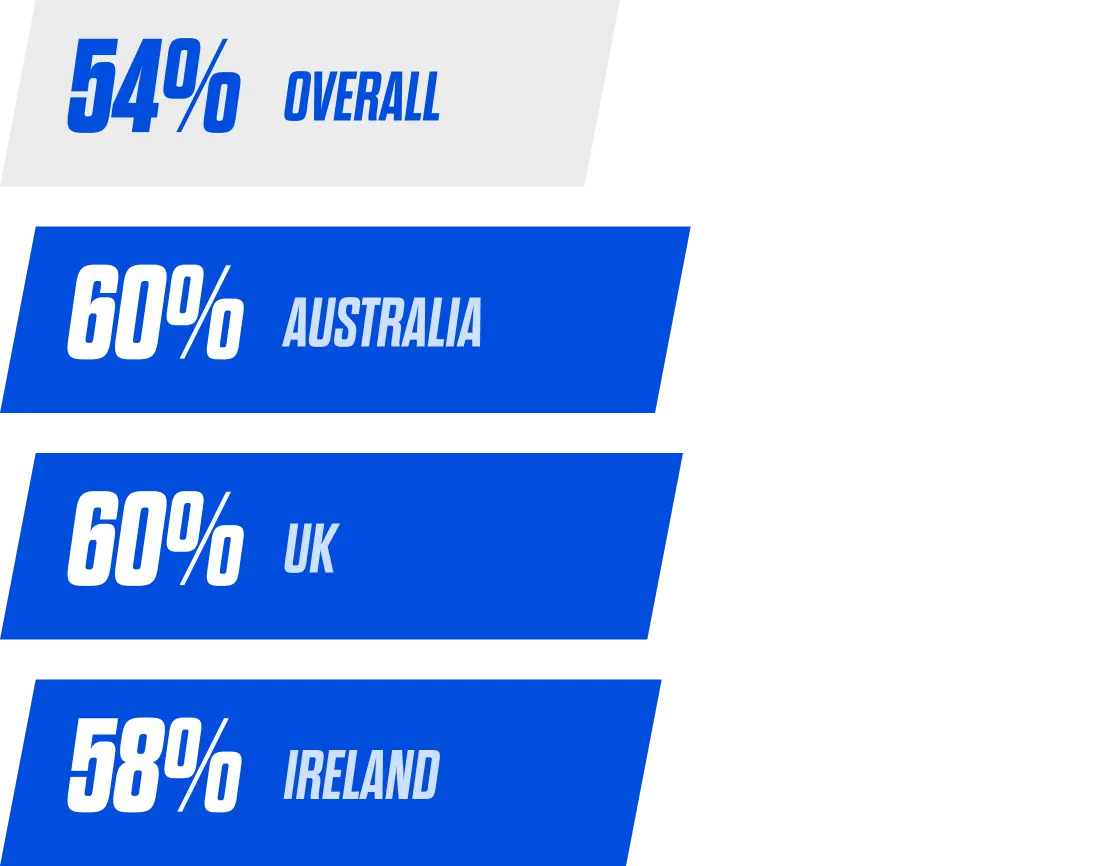
In other markets, affordability matters more. In Australia, 60% of fans prioritise cost, alongside 58% in Ireland and 46% in the Middle East. For these audiences, the priority is making sure live sport continues to feel within reach.
The most effective live offer is likely to be a layered one, with accessible entry points for value-conscious fans and premium options for those willing to trade up.

Top Markets where Fans prioritise cost:
Top Markets where Fans Are interested in VIP:

“FOR A LOT OF FANS, SPORT IS NOT JUST ABOUT THE COMPETITIVENESS - IT’S ABOUT THE FULL EXPERIENCE AROUND IT. AS THE EXPERIENCE ECONOMY CONTINUES TO GROW, THERE’S AN INCREASING EXPECTATION FOR HIGH-IMPACT, CULTURALLY RELEVANT EVENTS THAT CONNECT WITH FANS BEYOND THE SPORT ITSELF, CREATING TRUE “YOU HAD TO BE THERE” MOMENTS. FOR RIGHTS HOLDERS, THIS SHIFT REPRESENTS A POWERFUL ADVANTAGE: THE ABILITY TO DEEPEN FAN ENGAGEMENT, UNLOCK NEW REVENUE STREAMS, AND EXTEND THE VALUE OF THEIR PROPERTIES FAR BEYOND THE CORE COMPETITION.”
JAMES MASSING,
SVP OF SPECIAL OPERATIONS AT LIVE NATION

Travel is becoming a defining behaviour of modern fandom.
Across markets, fans are willing to spend significant time getting to live sport, from around 7 hours in Australia to 6 hours and 56 minutes in Mexico to around 5 hours in Spain and 5 hours and 12 minutes in Ireland.
Live sport is increasingly becoming a reason to travel, not just something to attend locally. For clubs, venues and organisers, that opens up new opportunities to package events as broader destination experiences, built around more than just the fixture itself.




Live sport attracts fans across age groups, but they do not all engage in the same way.
Younger audiences are highly visible and digitally active, with strong levels of live viewing and social-first consumption. They play an important role in discovery, conversation and the cultural visibility of sport.
But when it comes to consistency, mid-life audiences remain the core of the live sports market. From their mid-thirties onwards, engagement becomes more embedded, with higher levels of live viewing and more dependable attendance behaviour.
Globally, younger audiences make up a large share of sports fans overall. But it is the 30–44 audience that remains especially important to the live sports market: financially established, behaviourally consistent and more likely to spend across tickets, subscriptions and experiences. The picture is therefore not of one “future fan”, but of different generations playing different roles in the live sports ecosystem.
As expectations of live sport evolve, technology is becoming a more important part of the overall fan experience.
In the Middle East, 43% of fans say mobile ticketing would enhance their experience, while 31% of Spanish fans say the same. In the US, 40% are interested in in-seat food and drink ordering, underlining a wider appetite for convenience and smoother in-venue service.
These signals point to a broader shift in expectation. Fans are no longer judging live sport only against other sporting events, but against the best experiences across entertainment, retail and hospitality. Ease, speed and seamlessness increasingly matter at every stage, from ticket purchase and venue entry to food, drink and in-seat service.
That means technology is no longer just an added extra. Mobile-first journeys, seamless entry and integrated services are becoming an essential part of delivering the kind of live experience fans now expect.



Top Features enhancing the live sports Experience According to fans worldwide
Global Insights 07
The 2026 world cup
To explore how fan loyalties shift during major tournaments, we asked fans which team they would support at the World Cup if their own team was knocked out…
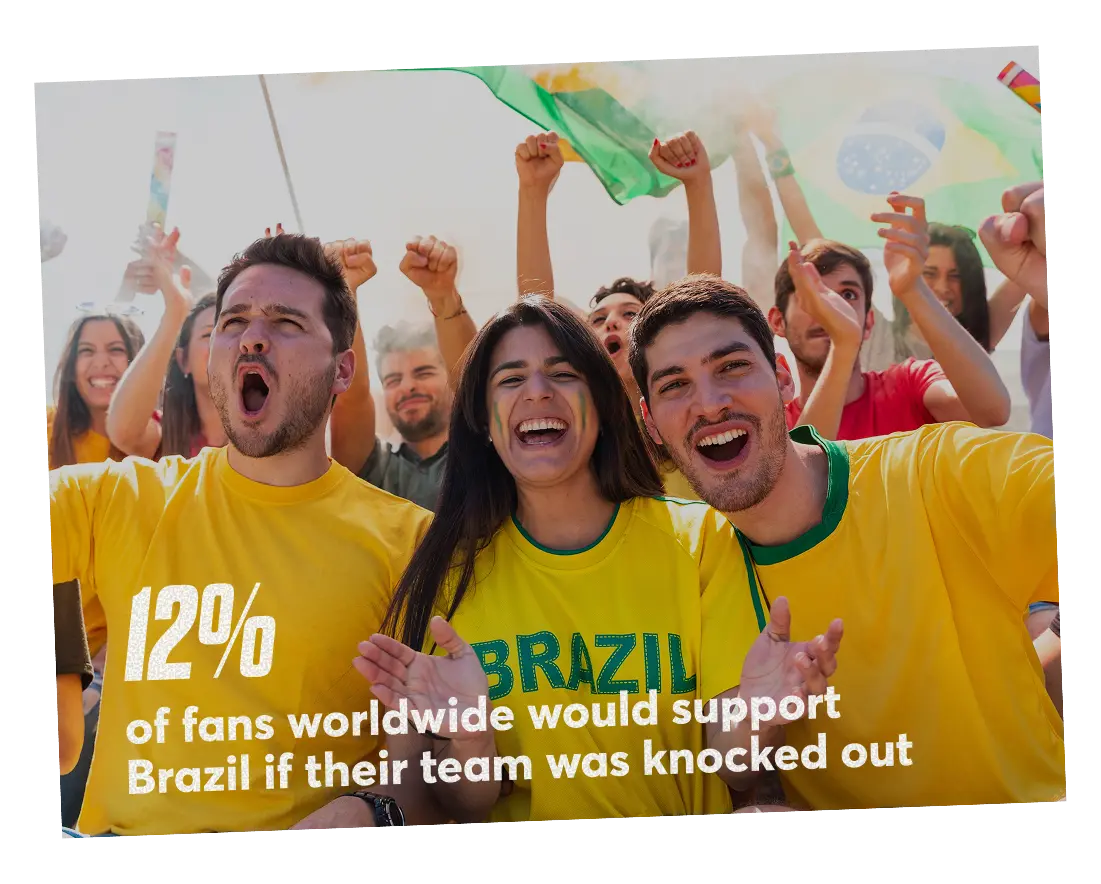
Brazil is the Top team Fans WORLDWIDE would support at the world cup if theirs was knocked out
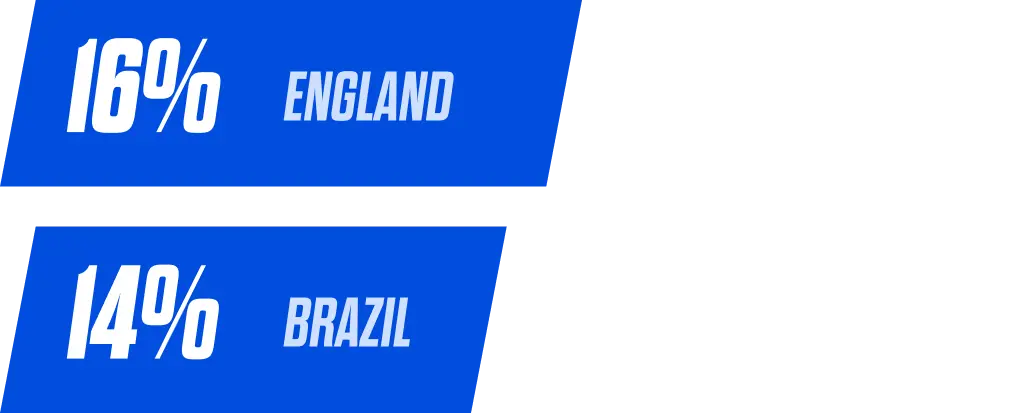
UK

Top teams UK fans would support at the world cup if theirs was knocked out

US

Top teams US fans would support at the world cup if theirs was knocked out

Spain

Top teams Spanish fans would support at the world cup if theirs was knocked out

Middle East

Top teams Middle Eastern fans would support at the world cup if theirs was knocked out

Mexico

Top teams Mexican fans would support at the world cup if theirs was knocked out

Ireland

Top teams Irish fans would support at the world cup if theirs was knocked out

Germany

Top teams German fans would support at the world cup if theirs was knocked out

Australia

Top teams Australian fans would support at the world cup if theirs was knocked out
Research conducted on behalf of Ticketmaster by OnePoll between 25th February to 12th March 2026 with a sample of 15,000 sports fans across the UK (2,000), the US (2,000), Australia (2,000), Germany (2,000), Spain (2,000), Mexico (2,000), Ireland (1,500) and the Middle East (UAE, Qatar, Saudi Arabia; 500 each)